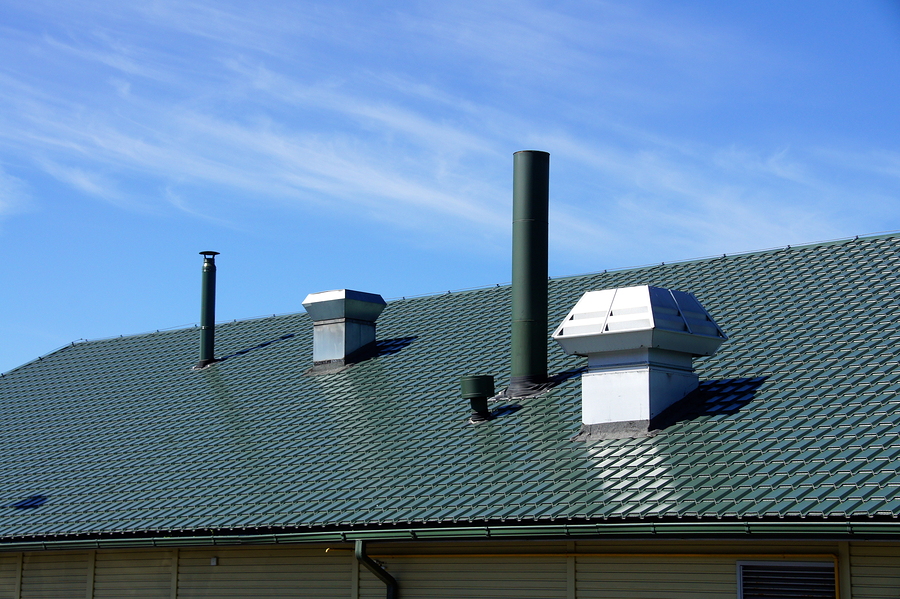
Selecting the right roofing material is one of the most consequential decisions you’ll make for your home. Your choice affects not only your home’s appearance but also its energy efficiency, maintenance requirements, longevity, and resale value. With numerous options available, each offering distinct advantages and drawbacks, understanding the characteristics of different roofing materials helps you make an informed decision that aligns with your priorities, budget, and climate.
Asphalt Shingles: The Popular Standard
Asphalt shingles dominate the residential roofing market, covering approximately 80% of American homes. Their popularity stems from an attractive combination of affordability, versatility, and adequate performance for most climates.
Types of Asphalt Shingles
Asphalt shingles come in two primary varieties. Three-tab shingles feature a flat, uniform appearance with cutouts that create the appearance of three separate tabs. They’re the most economical option but offer basic aesthetics and shorter lifespans. Architectural shingles, also called dimensional or laminated shingles, feature multiple layers creating depth and texture. They’re more durable, more attractive, and increasingly popular despite higher costs.
Advantages
Asphalt shingles offer the lowest upfront cost among major roofing materials, typically ranging from $3.50 to $5.50 per square foot installed. Installation is straightforward, and most roofing contractors have extensive experience with asphalt, ensuring quality workmanship is readily available. The material comes in numerous colors and styles, allowing homeowners to match virtually any architectural style or personal preference.
Repairs are simple and affordable when damage occurs, as individual shingles can be replaced without affecting surrounding areas. The material performs adequately in most climates, handling moderate temperature fluctuations, rain, and snow effectively.
Disadvantages
Asphalt shingles have relatively short lifespans compared to premium materials, typically lasting 15 to 30 years depending on quality and climate. They’re vulnerable to extreme weather, with high winds potentially lifting or removing shingles and hail causing damage that shortens lifespan. In hot climates, asphalt absorbs heat, potentially increasing cooling costs. The material also has environmental drawbacks, as petroleum-based shingles contribute to landfill waste and aren’t easily recyclable.
Best For
Asphalt shingles work well for homeowners prioritizing affordability and traditional aesthetics, those in moderate climates without extreme weather, and anyone planning to sell within 15-20 years who wants adequate protection without premium investment.
Metal Roofing: Durability and Efficiency
Metal roofing has surged in popularity over the past two decades as homeowners discover its exceptional longevity and energy efficiency. Once associated primarily with commercial buildings or rural structures, modern metal roofing offers sophisticated aesthetics suitable for any architectural style.
Types of Metal Roofing
Metal roofing comes in various forms and materials. Standing seam metal features vertical panels with concealed fasteners, creating clean lines and superior weather resistance. Metal shingles or tiles mimic traditional roofing materials while providing metal’s benefits. Materials include steel (the most common, often with protective coatings), aluminum (lightweight and corrosion-resistant, ideal for coastal areas), copper (premium option with distinctive appearance that develops attractive patina), and zinc (extremely durable with self-healing properties).
Advantages
Metal roofing’s exceptional longevity stands out, with properly installed metal roofs lasting 40 to 70 years or more. The material excels in extreme weather, resisting high winds (often rated for 140+ mph), shedding snow easily, and handling hail better than most alternatives. Metal reflects solar radiation, reducing cooling costs by 10-25% in hot climates.
The material is fire-resistant, earning the highest fire rating, and environmentally friendly, as it’s often made from recycled content and is fully recyclable at end of life. Despite perceptions, modern metal roofing is quiet when properly installed with adequate insulation and underlayment. Maintenance requirements are minimal, with no need for periodic replacement of individual components.
Disadvantages
The primary drawback is higher upfront cost, typically ranging from $7 to $14 per square foot installed—roughly double asphalt shingle costs. Installation requires specialized skills, and not all roofing contractors have metal roofing experience. Denting can occur from large hail or falling branches, though this is primarily cosmetic. Some metal roofing expands and contracts with temperature changes, potentially causing noise or fastener issues if not properly installed. Color options, while improving, remain more limited than asphalt shingles.
Best For
Metal roofing suits homeowners planning long-term residence who want to avoid future replacements, those in areas with extreme weather (high winds, heavy snow, or intense heat), environmentally conscious consumers prioritizing sustainability, and anyone seeking energy efficiency and lower long-term costs.
Clay and Concrete Tile: Mediterranean Elegance
Tile roofing, whether clay or concrete, provides distinctive aesthetics and exceptional durability. Common in Mediterranean, Spanish, and Southwestern architectural styles, tile roofing has protected homes for centuries.
Clay vs. Concrete
Clay tiles are traditional, made from fired natural clay. They’re more expensive but offer superior longevity and color retention. Concrete tiles are made from cement, sand, and water, providing similar appearance at lower cost but with slightly shorter lifespan and potential for fading.
Advantages
Tile roofing offers outstanding longevity, with clay tiles lasting 50-100+ years and concrete tiles 40-50 years. The material is non-combustible with the highest fire rating, and provides excellent insulation properties, helping regulate indoor temperatures. Tile is highly resistant to rot, insect damage, and decay, and maintains its appearance for decades with minimal maintenance. The distinctive aesthetic adds significant curb appeal and can increase home value.
Advantages
Tile roofing offers outstanding longevity, with clay tiles lasting 50-100+ years and concrete tiles 40-50 years. The material is non-combustible with the highest fire rating and provides excellent insulation properties, helping regulate indoor temperatures. Tile is highly resistant to rot, insect damage, and decay, maintaining its appearance for decades with minimal maintenance. The distinctive aesthetic adds significant curb appeal and can increase home value in appropriate markets.
Disadvantages
Tile is extremely heavy, requiring structural reinforcement for many homes, which adds significant cost. Installation is complex and expensive, ranging from $10 to $25+ per square foot. The material is fragile, with individual tiles cracking under impact or if walked on improperly. Repairs can be challenging, as finding matching replacement tiles for older roofs may be difficult. The style doesn’t suit all architectural types, looking out of place on Colonial or Victorian homes.
Best For
Tile roofing works best for homeowners with appropriate architectural styles (Spanish, Mediterranean, Mission, Southwestern), those in warm climates where weight and freeze-thaw aren’t concerns, anyone prioritizing maximum longevity and willing to invest accordingly, and homes with adequate structural support or budget for reinforcement.
Slate: Premium Natural Stone
Slate roofing represents the pinnacle of roofing materials, offering unmatched longevity and natural beauty. This natural stone has protected European buildings for centuries and remains the ultimate premium roofing choice.
Advantages
Slate’s longevity is legendary, with properly installed slate roofs lasting 75-200+ years—potentially outliving the buildings they protect. Each slate tile is unique, providing distinctive natural beauty that improves with age. The material is completely fireproof, extremely durable against weather and impacts, and requires virtually no maintenance beyond occasional inspections. Slate is environmentally friendly as a natural material requiring no manufacturing, and it adds substantial value to appropriate homes.
Disadvantages
Cost is prohibitive for most homeowners, ranging from $15 to $30+ per square foot installed. Like tile, slate is extremely heavy, requiring structural reinforcement for most homes. Installation demands specialized expertise that few contractors possess, and finding qualified installers can be challenging. Repairs are difficult and expensive, requiring skilled craftspeople. The material is brittle, with tiles cracking if walked on improperly, and the style suits only certain architectural types.
Best For
Slate is appropriate for historic homes where authenticity matters, luxury properties where budget isn’t a primary concern, homeowners planning multi-generational ownership, and appropriate architectural styles (Victorian, Gothic, Tudor, Colonial).
Wood Shakes and Shingles: Natural Character
Wood roofing offers natural beauty and traditional charm but comes with significant maintenance requirements and limitations.
Advantages
Wood provides unmatched natural aesthetics with unique character, excellent insulation properties, and environmental benefits as a renewable resource. The material is relatively lightweight and suitable for most structures. Wood weathers to attractive silver-gray patina if left untreated.
Disadvantages
Wood requires extensive maintenance including periodic treatment for fire resistance, rot prevention, and pest control. Lifespan is limited to 20-40 years depending on maintenance and climate. Fire risk is significant unless treated with fire retardants, and many jurisdictions restrict or prohibit wood roofing. The material is vulnerable to rot, mold, and insect damage in humid climates. Cost is high relative to lifespan, typically $6-12 per square foot.
Best For
Wood roofing suits homeowners committed to regular maintenance, those in dry climates where fire risk can be managed, rustic or traditional architectural styles, and areas where wood roofing is permitted by local codes.
Synthetic Roofing: Modern Innovation
Synthetic roofing materials mimic traditional materials like slate, shake, or tile while offering improved performance and lower costs.
Advantages
Synthetic materials provide the appearance of premium materials at fraction of the cost, significantly lighter weight than natural alternatives, and improved durability against impacts and weather. They’re easier to install than natural materials, require minimal maintenance, and often include strong warranties. Many are made from recycled materials and are themselves recyclable.
Disadvantages
Quality varies widely among manufacturers, and longevity data is limited since materials are relatively new. Some products don’t convincingly replicate natural materials’ appearance, and costs, while lower than natural alternatives, exceed basic asphalt shingles. Long-term performance remains somewhat uncertain.
Best For
Synthetic roofing works for homeowners wanting premium aesthetics without premium costs, those needing lighter-weight alternatives to natural materials, and anyone seeking low-maintenance solutions with modern warranties.
Making Your Decision
Choosing the right roofing material requires balancing multiple factors including budget, climate, architectural style, longevity goals, maintenance willingness, and environmental priorities.
Climate Considerations
Your climate significantly influences which materials perform best. Hot, sunny climates benefit from reflective metal or light-colored tiles that reduce cooling costs. Cold climates with heavy snow favor metal’s snow-shedding properties or slate’s durability. High-wind areas require materials with excellent wind resistance like metal or properly installed architectural shingles. Humid climates demand rot-resistant materials like metal, tile, or slate rather than wood.
Budget Reality
Consider both upfront costs and long-term value. While metal or tile cost more initially, their extended lifespans mean lower cost per year of service. Calculate total cost of ownership over your expected residence period. If you plan to sell within 10-15 years, premium materials may not provide adequate return on investment. However, if this is your forever home, investing in longevity makes financial sense.
Professional Guidance
Consulting with experienced local roofing contractors provides valuable insights into which materials perform best in your specific area. They understand local weather patterns, building codes, and architectural norms. For instance, roof replacement specialists in Springdale, Arkansas like Richardson Roofing can advise on materials that handle the region’s combination of heat, humidity, severe storms, and occasional ice while complementing local architectural styles.
Conclusion
No single roofing material is universally best—the right choice depends on your unique circumstances, priorities, and constraints. Asphalt shingles offer affordable adequacy for most situations. Metal provides exceptional longevity and performance for those willing to invest more upfront. Tile and slate deliver ultimate durability and distinctive aesthetics at premium prices. Wood offers natural beauty for those committed to maintenance. Synthetic materials provide modern alternatives mimicking traditional looks.
Take time to research options, consult with qualified contractors, and consider your long-term plans. Your roof protects your most significant investment and affects your home’s comfort, efficiency, and value. Making an informed material selection ensures you’ll be satisfied with your choice for decades to come.